.jpg)
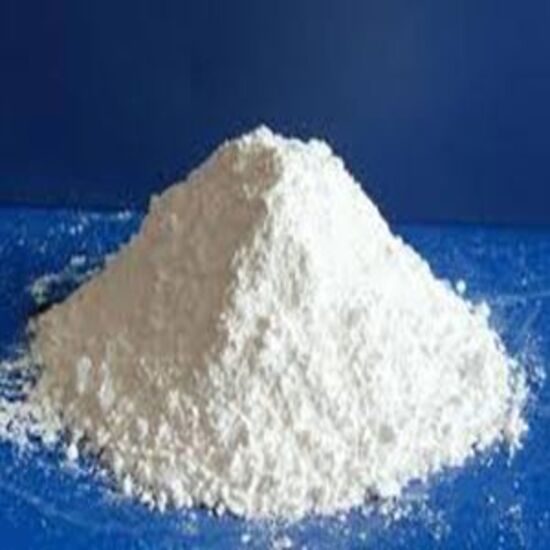
Soda feldspar powder, primarily sodium aluminum silic ate. commonly known as albite,is a vital industrial flux used heavily in ceramics, glass, and enamel manufacturing to lower melting temperatures, enhance vitrification, and improve durability.
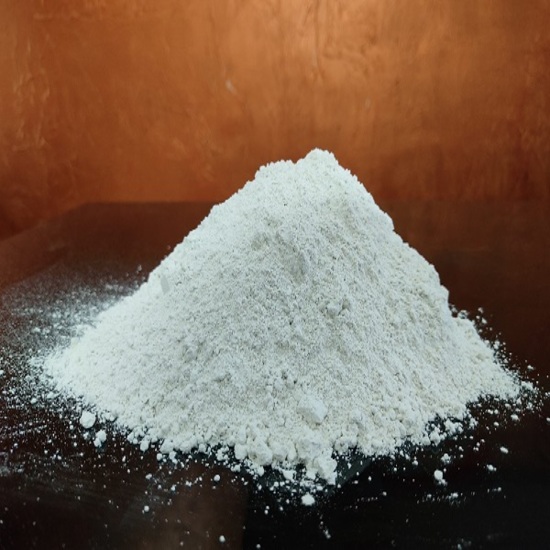
Potash feldspar powder is a key industrial mineral, containing high amounts of potassium oxide and alumina used as a flux in ceramics, glass, and pottery to reduce melting temperatures and improve strength, durability, and shine.
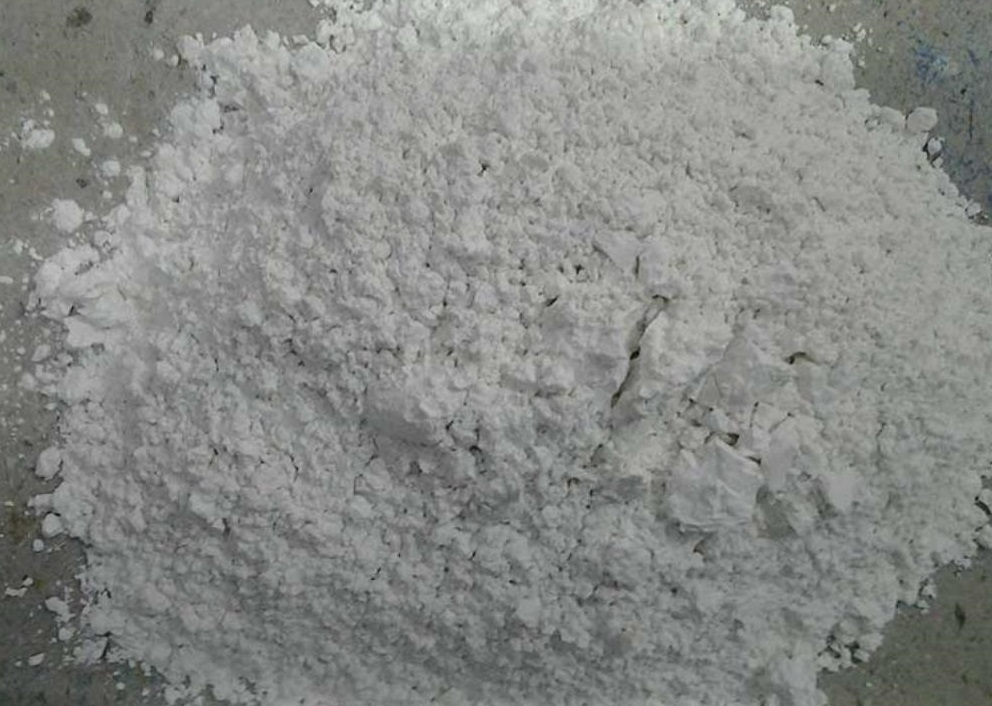
Quartz powder is a fine, high-purity material produced by grinding natural quartz crystals, known for its extreme hardness, high melting point, and chemical inertness. It is widely used as a filler and raw material in ceramics, glass, paints, adhesives, and electrical components.
Generally, good-quality Sodiured Sodium feldspar is a good fluxing agent due to its low silica and high alumina and alkali contents. It has wide applications in many industries for its fluxing properties. Generally, good-quality Sodium feldspar is used for the production of glass and ceramics. Sodium Feldspar with low Na20 content (6 to 9%) is mostly used for vitrified tiles' bodies. While Sodium Feldspar with high Na20 content (9 to 12%) is used for glazing purposes. Traditionally Sodium Feldspar was not used much due to its unpredictable expansion nature during the firing process, but now a days ceramists are widely using it, as it melts at low temperatures and provides a very white glaze look after firing. Sodium feldspar of high grade is mainly available in Rajasthan state in India, and the Minnovation Group possess some of good deposits in the region. Our sodium feldspar ore are white and light pink in color.
Being a leading supplier of various ceramic raw materials, lakhan Minerals owns one mining of sodium feldspar, it has area of 7 acres and near village Gangapur in Bhilwara district. Material of our contains 10+% Na20, approx 18% Al2O3 and 60+ fired whiteness. Our daily production is around 80 to 100 MT per day. We maintain an inventory of minimum 1500 ton raw sodium feldspar lumps at our plants for smooth functioning of plants and consistent quality production. At our plants we produce around 1200 MT powder per month. Our plants have triple magnets to remove as much Iron as possible. We can produce powder from 200 mesh to 325 mesh and can packing to 50 KG to 1450 KG bags as per customer order.
| Properties | SF01 | SF02 |
|---|---|---|
| Silica(Sio2) | 69±1% | 70±1% |
| Alumina | 18±1% | 16±1% |
| Potassium Oxide (K20) | < 0.5 % | < 1.0 % |
| Sodium Oxide Oxide (NA20) | 10.5±0.5% | 9+;1% |
| Calcium oxide(CA0) | < 0.5 % | < 0.8 % |
| Ferric(Fe203) | < 0.06 % | < 0.08 % |
| Magnesium Oxide (MgO) | < 0.30 % | < 0.50 % |
| Titanium Oxide (Ti02) | < 0.01 % | < 0.02% |
| Loss on Ignition | < 1.00 % | < 1.00 % |
| Fired Appearance( at 1175-1220 ` C) | Milky white | Milky white |
| CHEMICAL PROPERTIES | SF01 | SF02 |
|---|---|---|
| Silica(Sio2) | < 69.5 % | < 71.0 % |
| Alumina(Al2O3) | > 18.0 % | > 17.5 % |
| Potassium Oxide (K20) | < 0.5 % | < 0.7 % |
| Sodium Oxide Oxide (NA20) | > 10.2 % | > 9.5 % |
| Calcium oxide(CA0) | < 0.6 % | < 0.5 % |
| Ferric(Fe203) | < 0.07 % | < 0.06 % |
| Magnesium Oxide (MgO) | < 0.1 % | < 0.1 % |
| Titanium Oxide (Ti02) | < 0.01 % | < 0.01 % |
| Loss on Ignition(950oc) | < 0.40 % | < 0.40 % |
| Fired Appearance( 1220o C) | >62 | >62 |
| L | > 80 | > 80 |
| A | < 1 | < 1 |
| B | < 4 | < 3 |
| Name Of Test | Result |
|---|---|
| L* | 82.85 |
| a* | 1.64 |
| b* | 6.14 |
| After Firing Whiteness | 62.80 |
| Shrinkage | 13.74 |
| Visual Melting | Ok Melting |
| Temperature C | 1200/1202 |
| Cycle Min. | 0.01 % |
| Compound | Result % |
|---|---|
| Sio2 | 68.855 |
| Al2O3 | 19.191 |
| Fe2O3 | 0.052 |
| K2O | 0.244 |
| Na2O | 10.589 |
| CaO | 0.512 |
| MgO C | 0.002 |
| Loss Of Ignition | 0.421 |
| Name Of Test | Result |
|---|---|
| L* | 75.25 |
| a* | 1.61 |
| b* | 10.15 |
| After Firing Whiteness | 55.30 |
| Shrinkage | 13.64 |
| Visual Melting | Ok Melting |
| Temperature C | 1200/1202 |
| Cycle Min. | 15 |
| Compound | Result % |
|---|---|
| Sio2 | 71.211 |
| Al2O3 | 18.041 |
| Fe2O3 | 0.074 |
| K2O | 0.244 |
| Na2O | 9.500 |
| CaO | 0.477 |
| MgO C | 0.001 |
| Loss Of Ignition | 0.441 |
| Name Of Test | Result |
|---|---|
| L* | 73.84 |
| a* | 1.78 |
| b* | 9.41 |
| After Firing Whiteness | 53.90 |
| Shrinkage | 13.54 |
| Visual Melting | Ok Melting |
| Temperature C | 1200/1202 |
| Cycle Min. | 15 |
| Compound | Result % |
|---|---|
| Sio2 | 72.161 |
| Al2O3 | 17.114 |
| Fe2O3 | 0.102 |
| K2O | 0.374 |
| Na2O | 9.170 |
| CaO | 0.554 |
| MgO | 0.006 |
| Loss Of Ignition | 0.454 |
| N1 | N2 | N3 | ||
|---|---|---|---|---|
| Silica | SiO2 | 63.65% | 65.50% | 68.65% |
| Iron | Fe2O3 | 0.06% | 0.08% | 0.15% |
| Aluminum | Al2O3 | 19.11% | 18.05% | 17.15% |
| Calcium | CaO | 0.28% | 0.28% | 0.3% |
| Magnesium | MgO | Nil | 0.20% | 0.10% |
| Sodium | Na2O | 10.5% | 9.50% | 7.50% To 8.50% |
| Potassium | K2O | 0.28% | 0.35% | 0.038% |
| Loss Of Ignition | L.O.I. | 0.45% | 0.44% | 0.8% |
| Whiteness | 65.00% | 60.00% | 57.00% | |
| L Value | 78.30% | 75.20% | 71.80% | |
| A Value | +03.20% | +03.58% | +03.58% | |
| B Value | +01.60% | +15.00% | +9.80% |
Copyright © Lakhan Minerals, All Right Reserved.
Designed By Anines.in